Bayer Crop Science
Designing digital tools for farmers across the US and Canada.
Design Lead
UX Strategy
Enterprise Design System
Overview
Designing for farmers at scale
Senior Designer · 1 year · Team of 3 Designers
Bayer Crop Science is the agricultural division of Bayer, serving over 2 million farmers across North America and generating $25B in annual revenue. I led design across 15+ product tools, the Bayer PLUS Rewards dashboard overhaul, and the digital migration following Bayer's acquisition of multiple regional brands.
In this project, the user dictated the approach. Farmers had limited patience for digital friction and real consequences riding on every decision they made. The work had to be clear, direct, and built around how they already worked.
The Challenge
What the Work Had to Solve
Each problem shaped a different part of the work. The sections that follow show how the design team responded to them, and what got built as a result.
Designing against digital friction
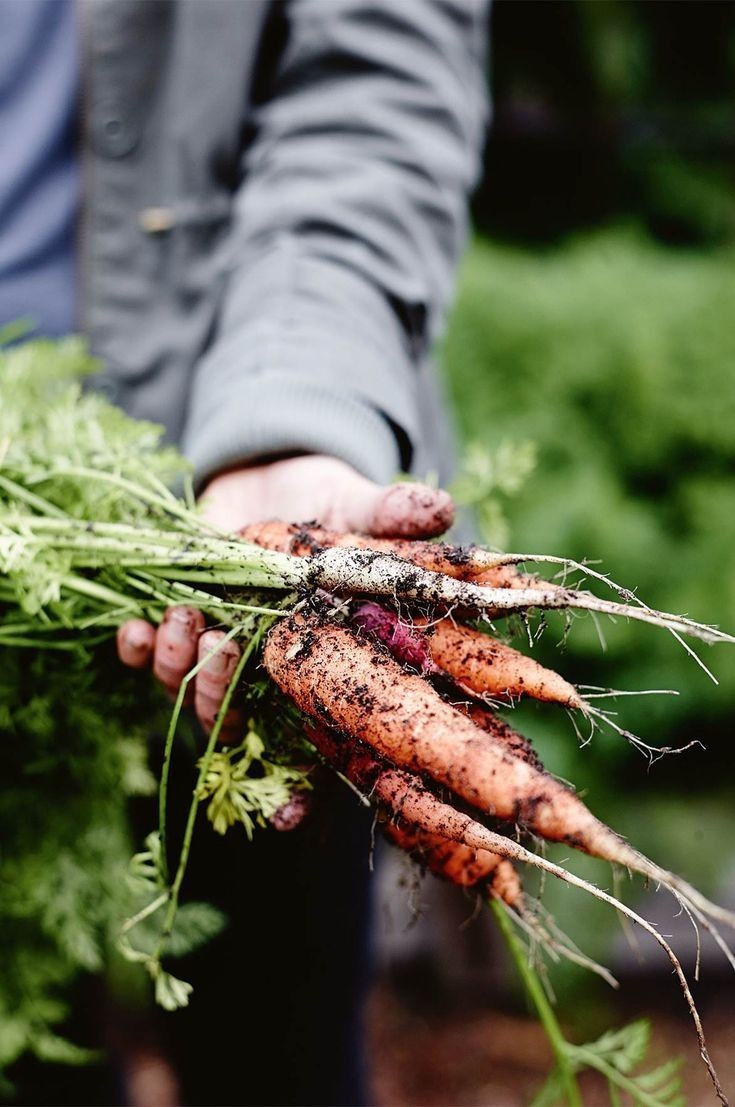
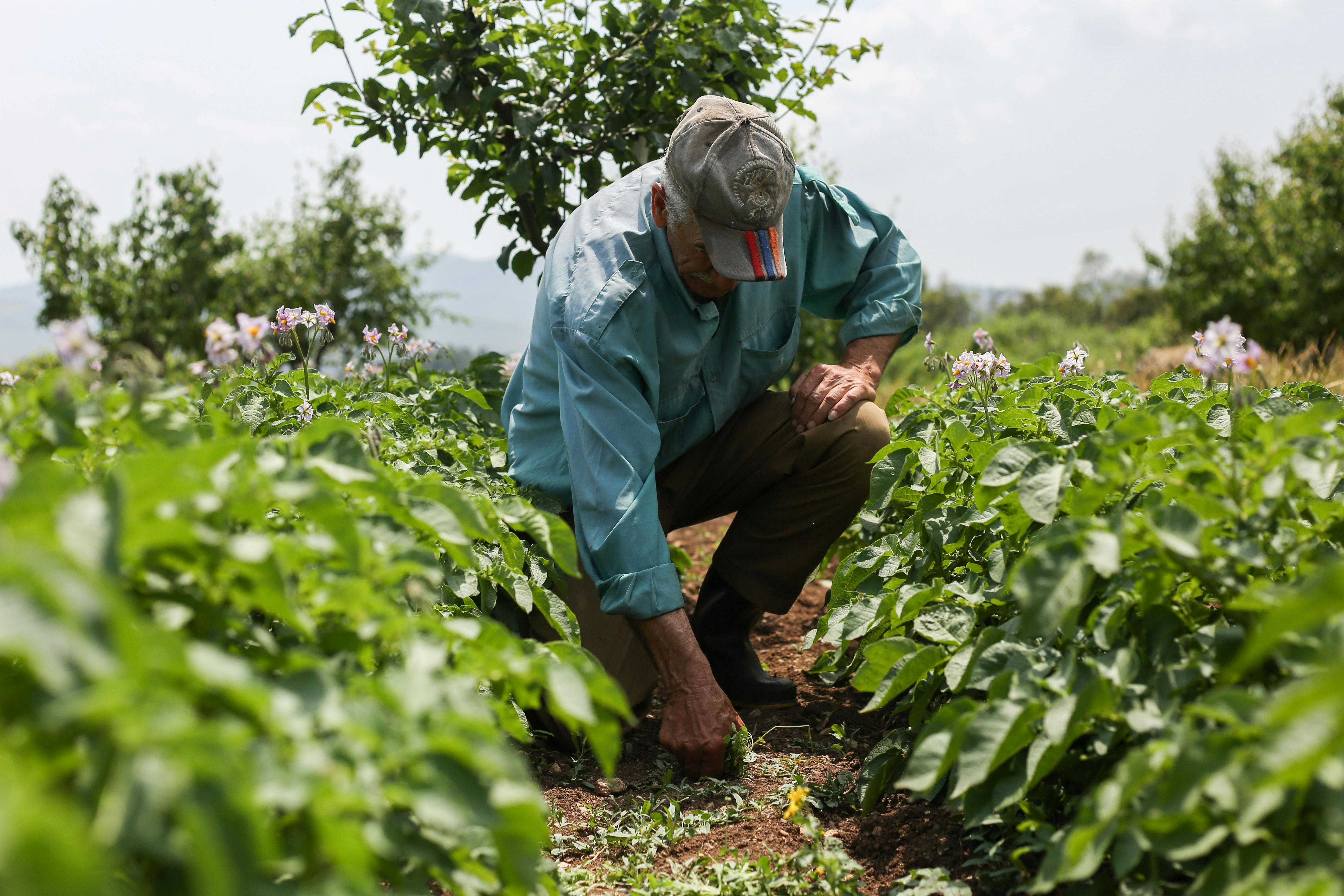
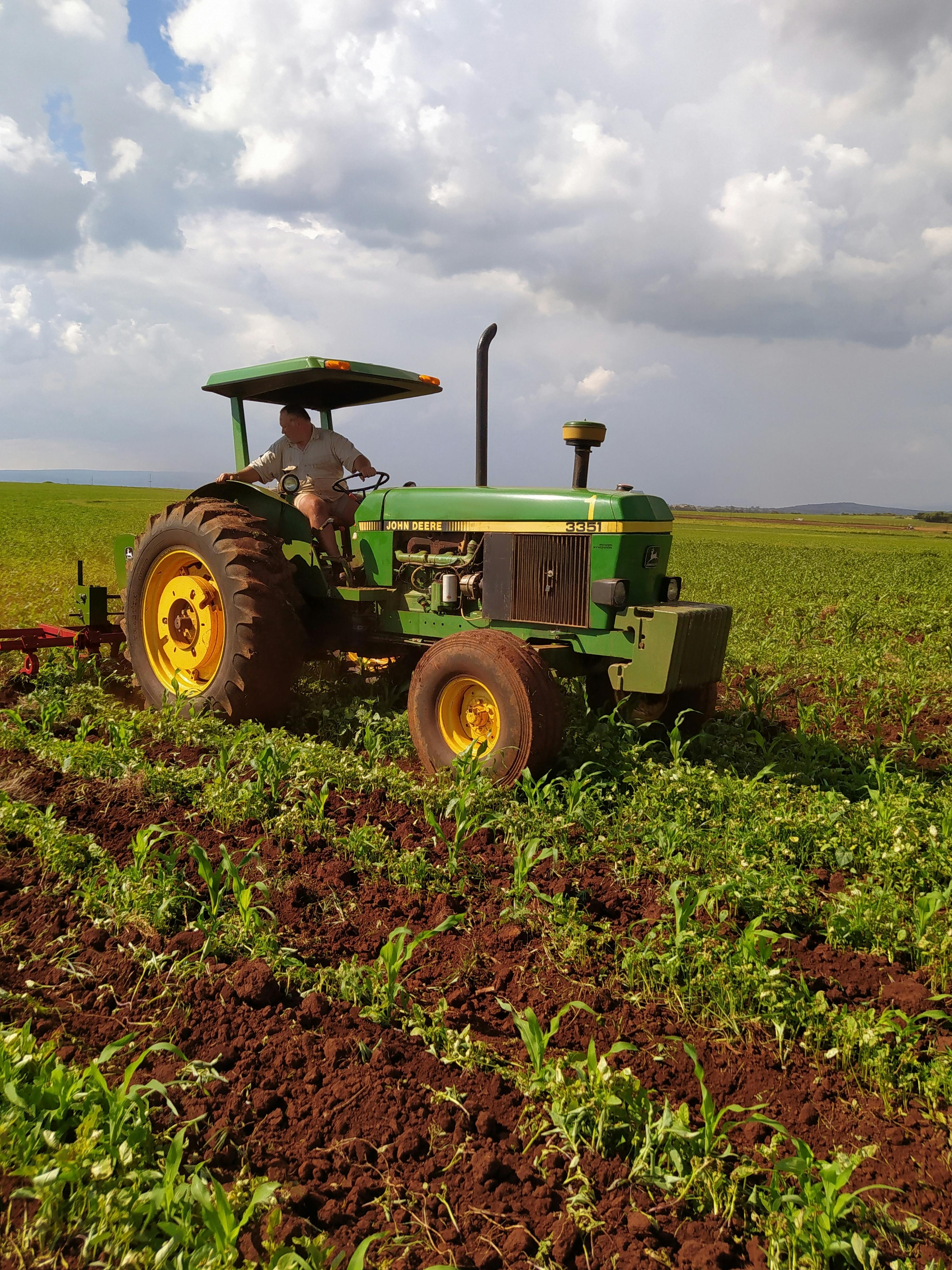
Farmers typically are not a digital native audience. Many defaulted to phone support when tools introduced even minor friction. Every interaction had to be designed with that threshold in mind.
A rewards program losing users
Bayer PLUS Rewards was underperforming against its retention goal. Farmers were abandoning the online experience and losing earned rewards to policies they didn't understand.
Bridging a brand transition
Bayer's acquisition of multiple regional brands changed the product catalog overnight. Farmers had to find familiar products under unfamiliar names. The design work had to absorb that disruption so the user didn't have to.

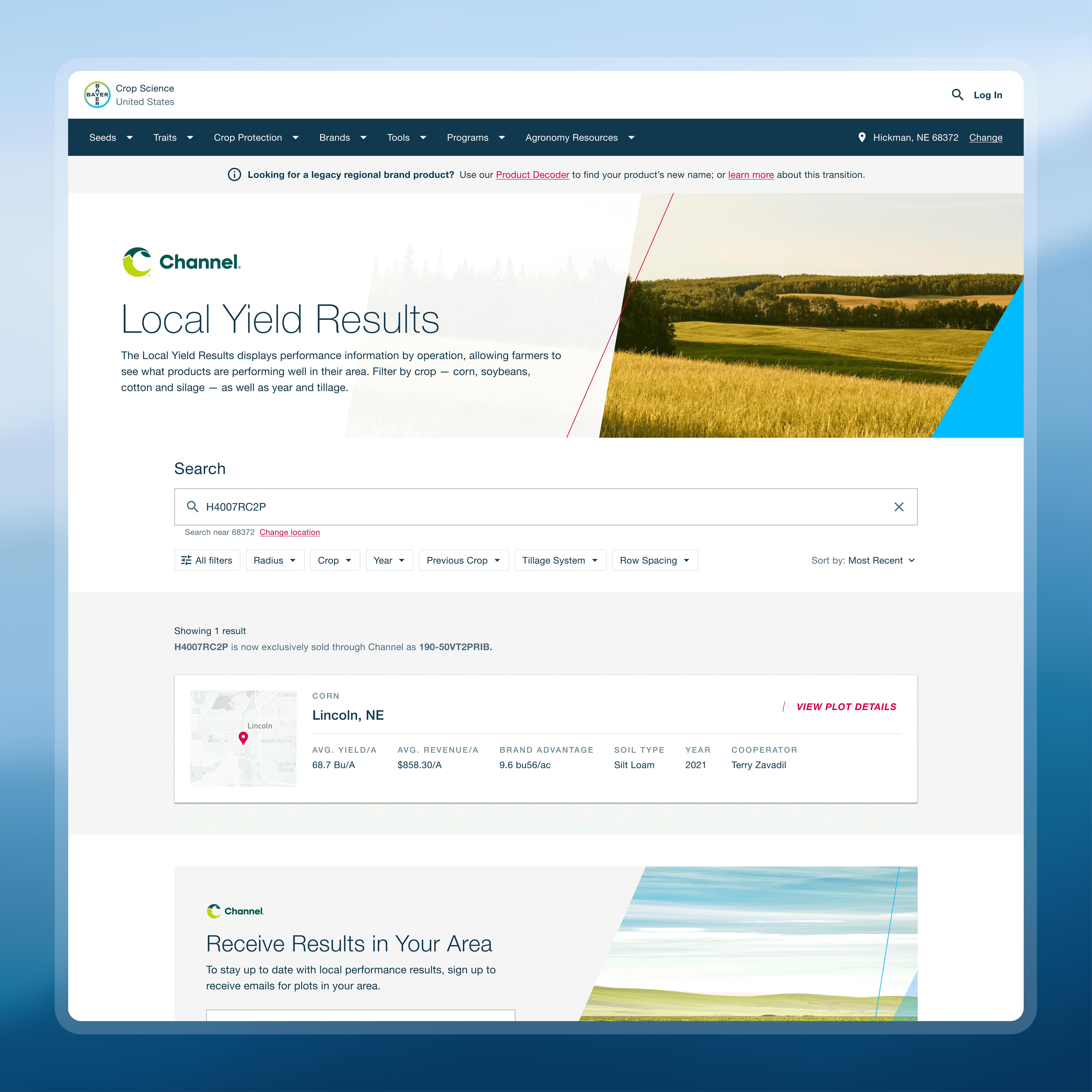
Local Yield Results
Built for How Farmers Decide
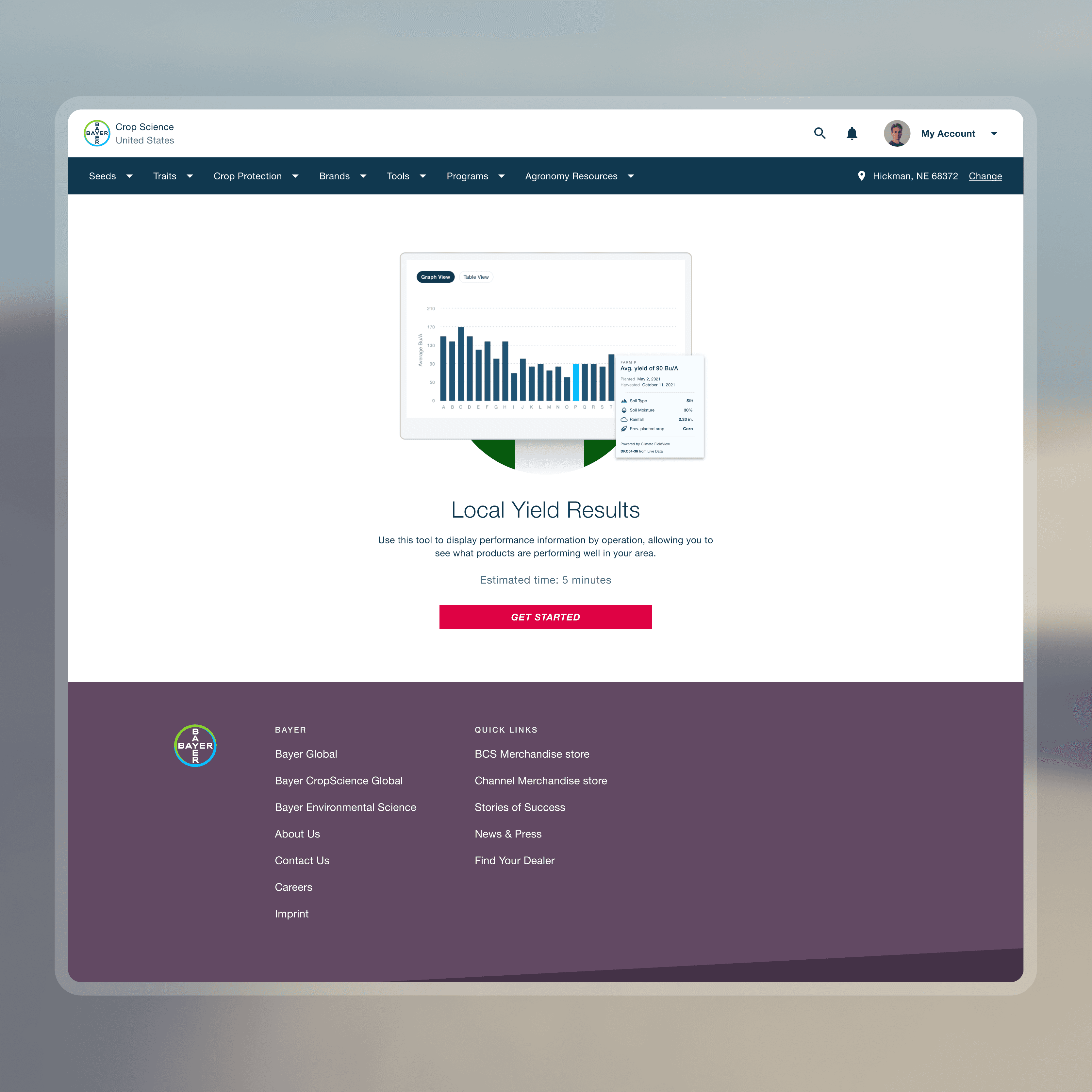
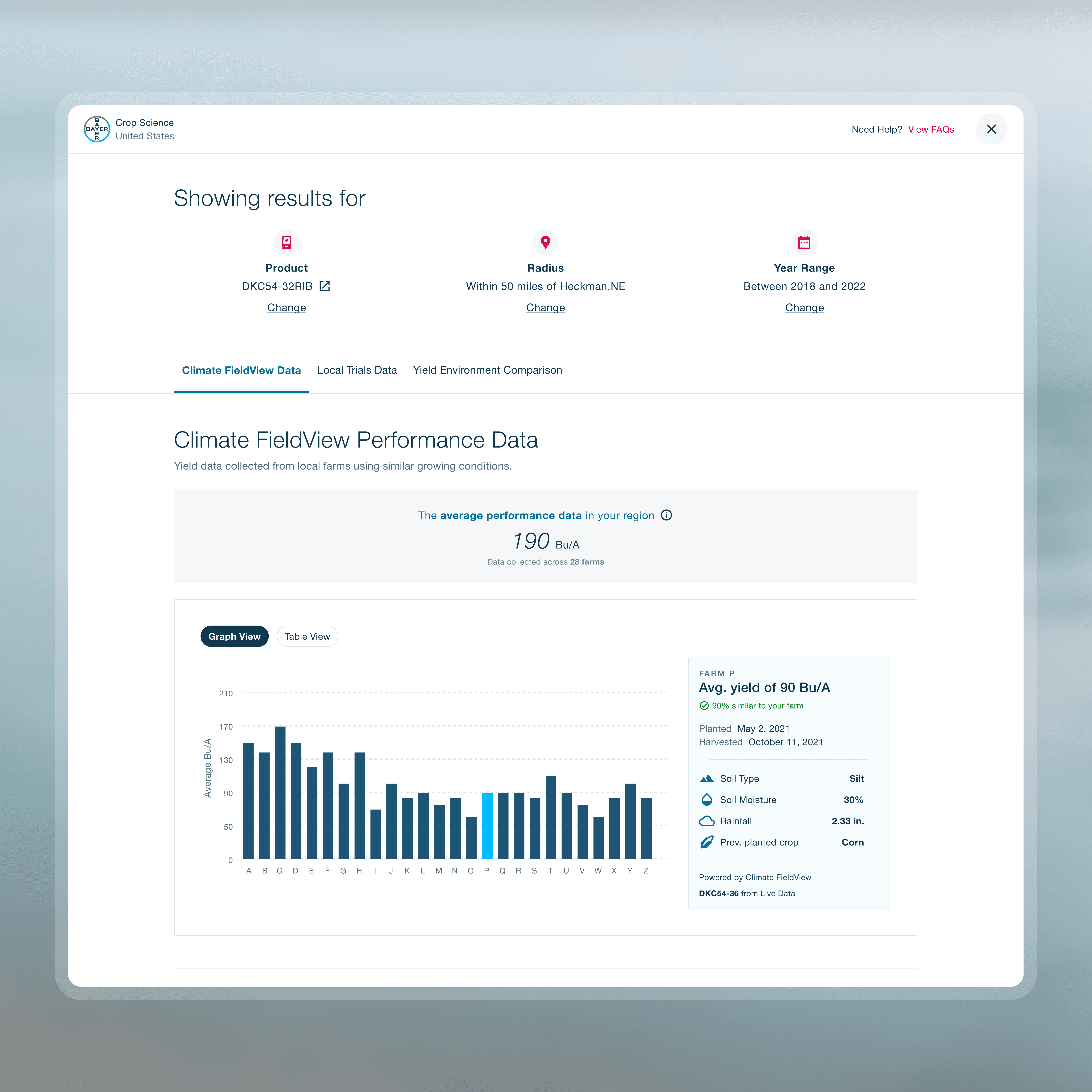
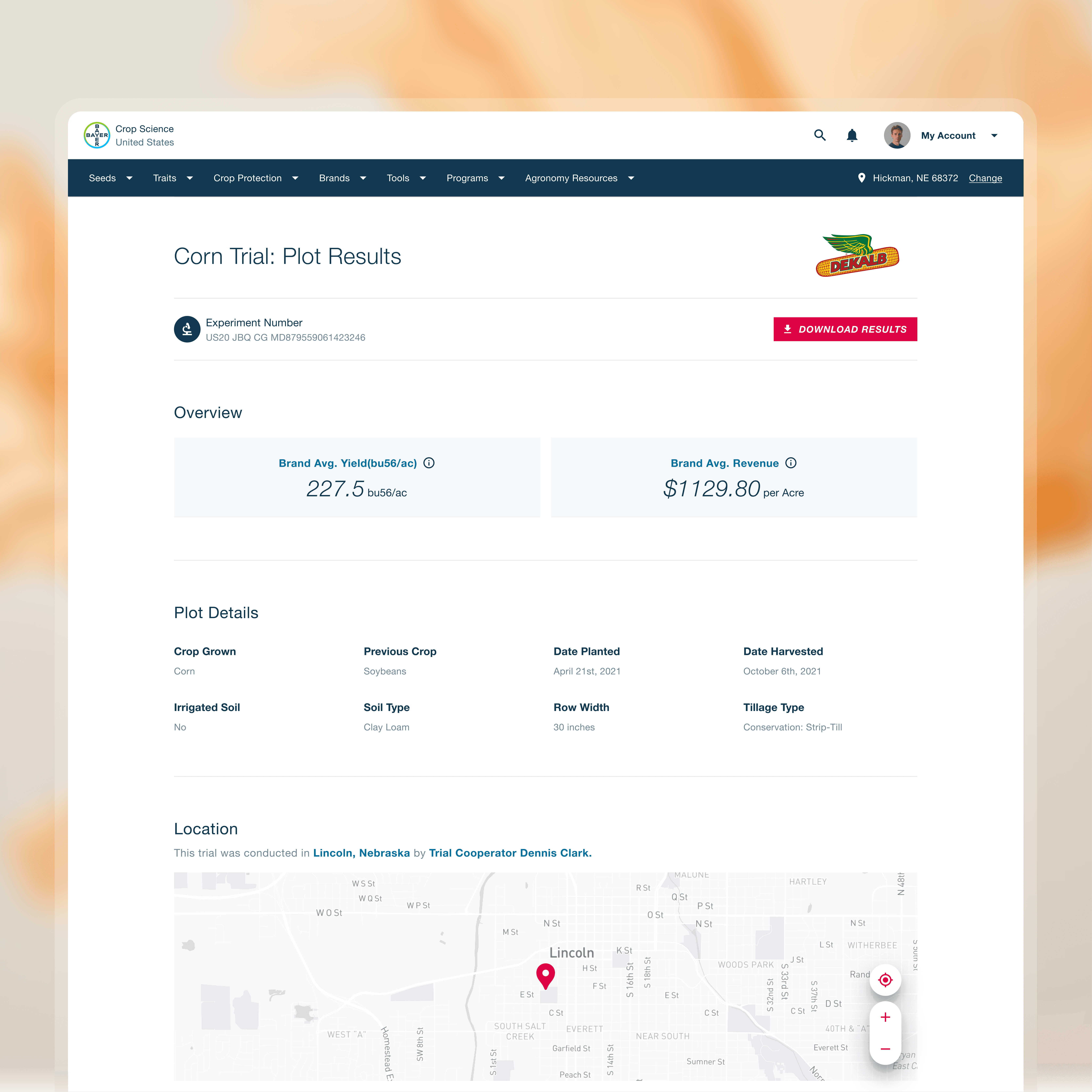
Seed purchasing is a high-stakes decision for a farmer. The wrong choice affects an entire season. Bayer Crop Science's team wanted to help guide farmers to help them make the best seed choice for their local region - leading to the creation of the Local Yield Results tool.
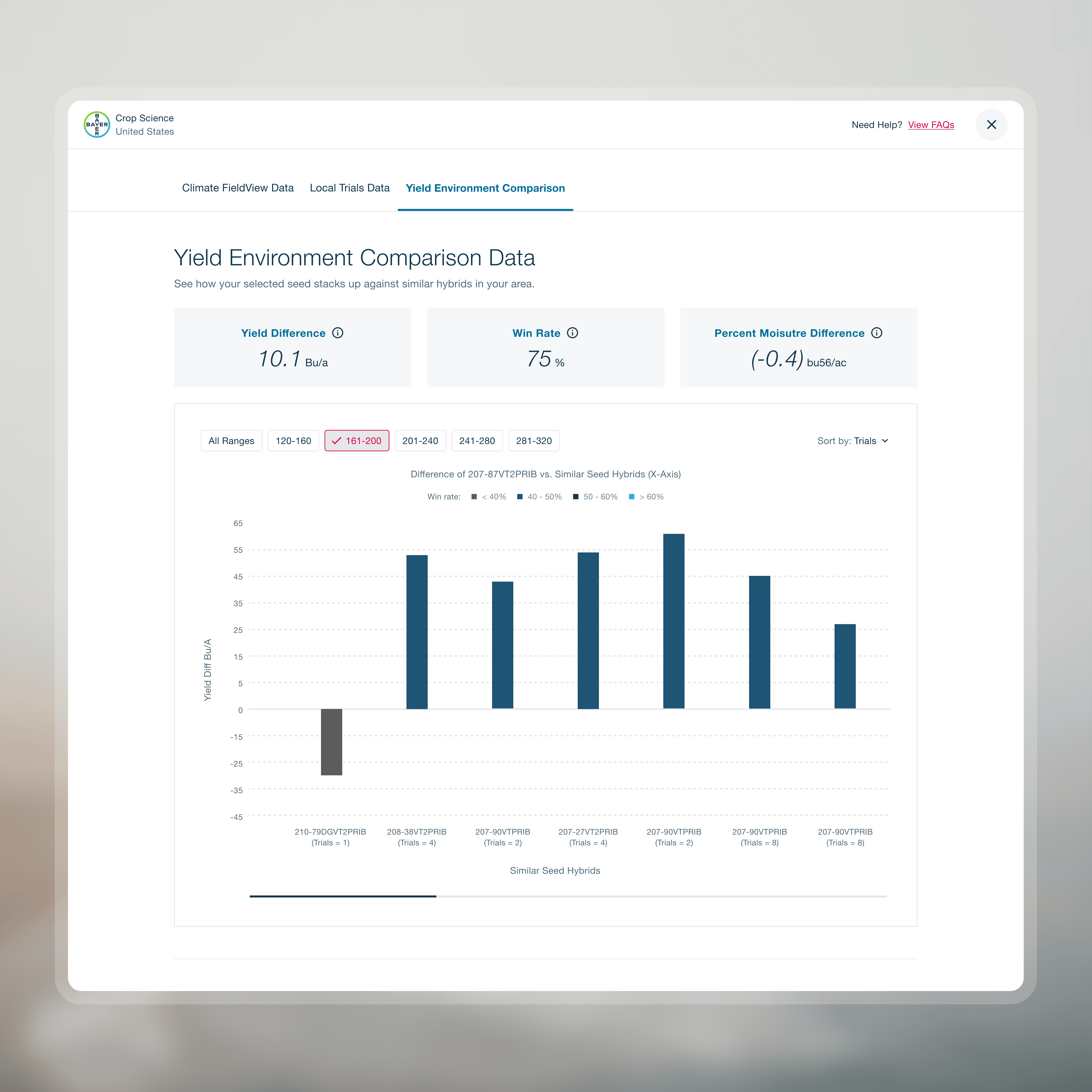
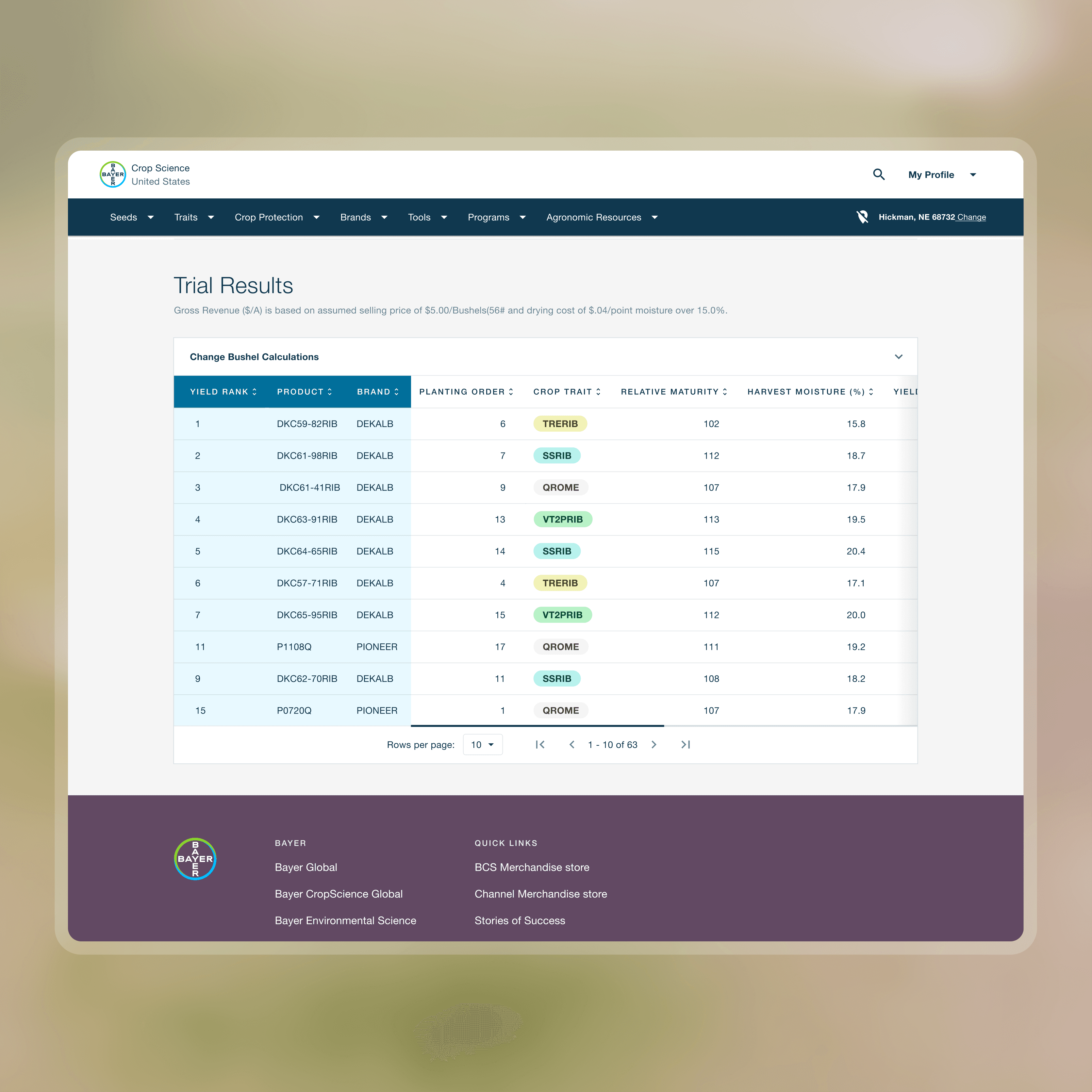
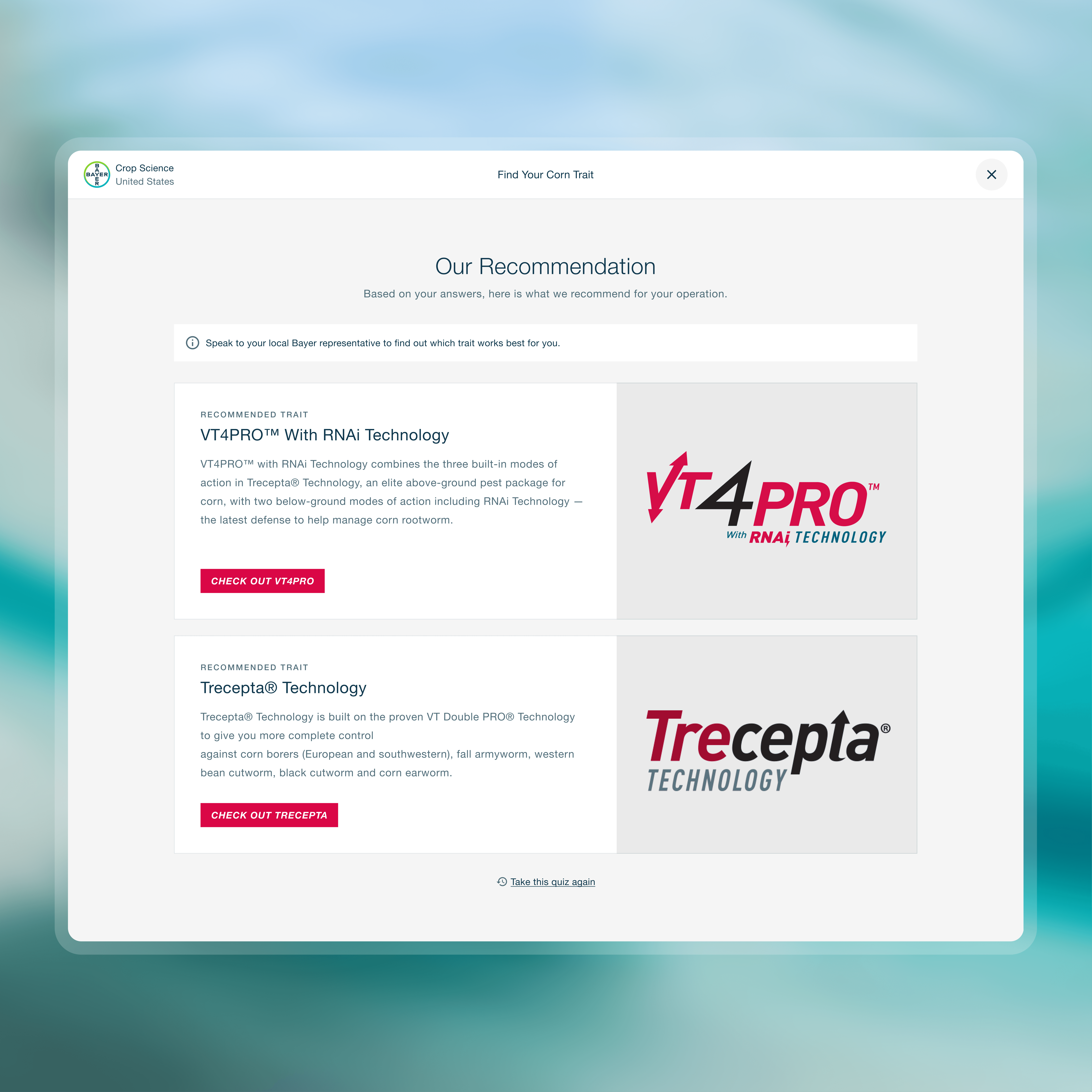
The tool pairs a short wizard flow with a tailored results page that surfaces local trial data, performance benchmarks, and yield environment comparisons specific to the user's region.
For farmers with Climate FieldView connected, the results expand to include regional performance data pulled from their account. For farmers without it, the tool still delivers local trials and environment comparisons relevant to their area.
The Broader Toolkit
Designed Around the
Farmer's Workflow
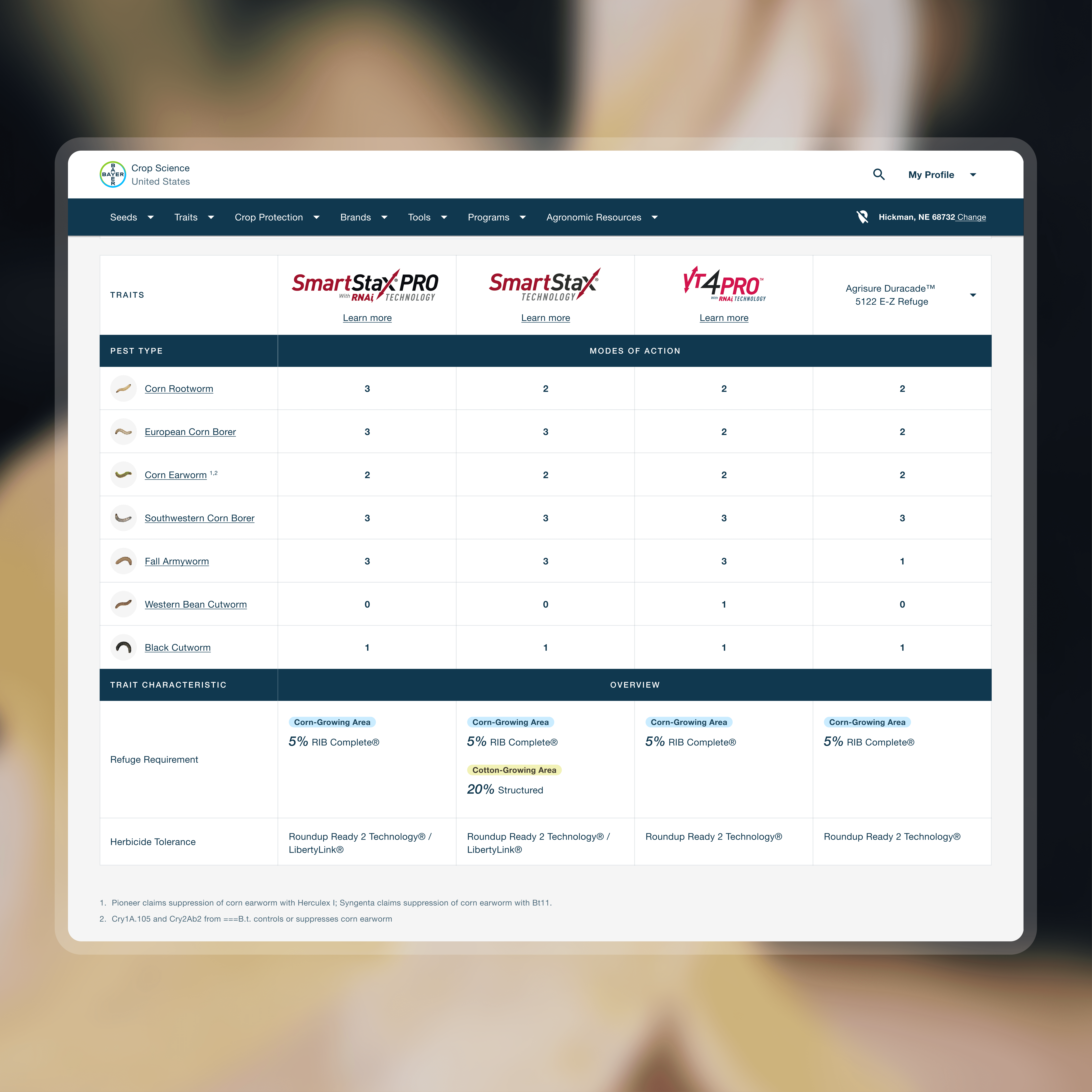
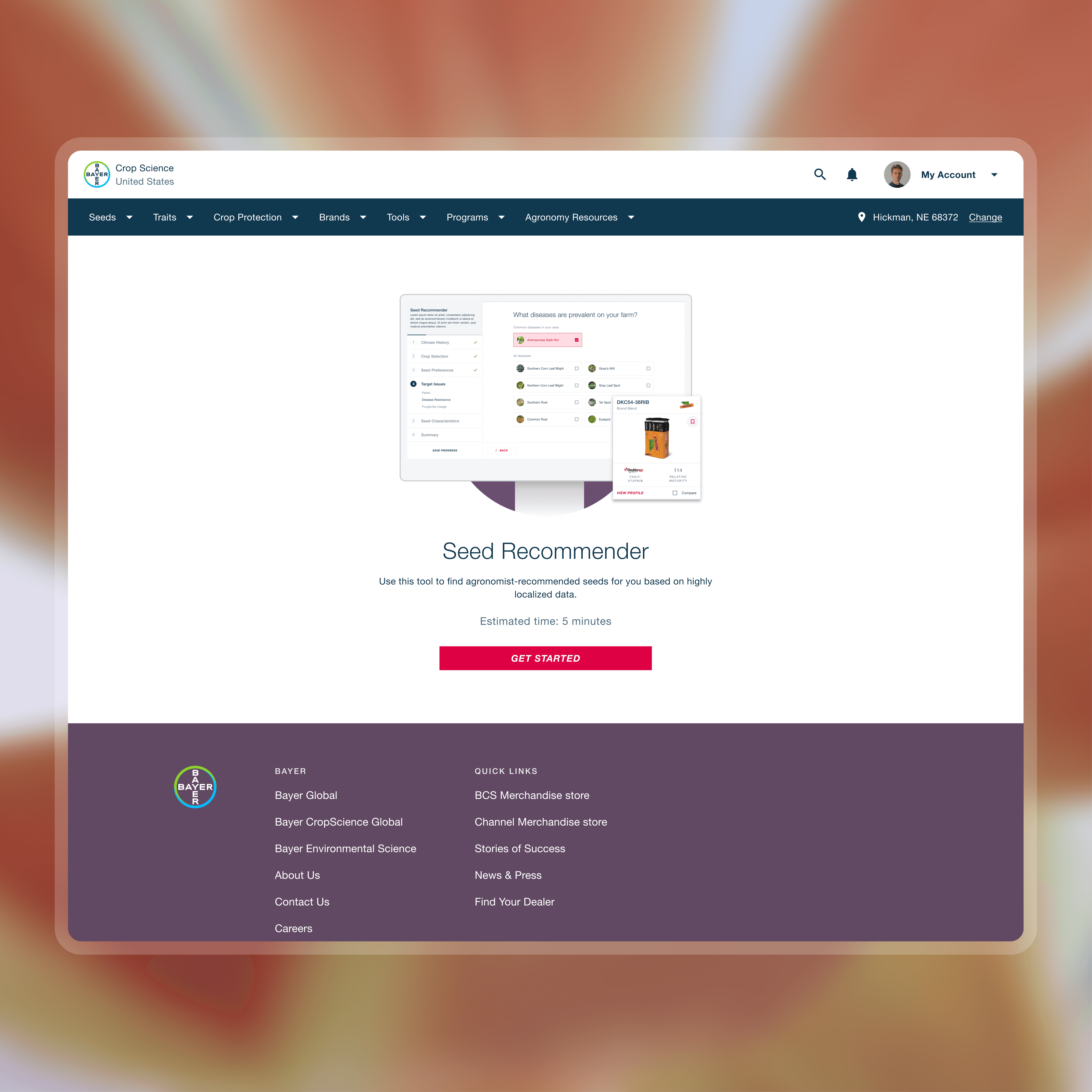
Local Yield Results was one of 15+ tools built for Bayer's digital ecosystem. Each one was anchored to a specific decision a farmer was making: what to plant, when to act, which products to buy, and what they'd earned. The result was a connected digital toolkit for farmers.




Gaining Insight
Bayer PLUS Rewards
Bayer PLUS Rewards was losing the users it was built to retain. I led research into why, then designed the MVP dashboard that addressed what we found.
I analyzed 300+ survey responses from active rewards users. Three patterns drove the majority of the friction.
Rewards that disappeared
Accumulated rewards reset on an obscure mid-year date. Farmers consistently lost earned value to a policy they hadn't registered. High-value customers were being burned by their own loyalty program.
Fragmented rewards programs
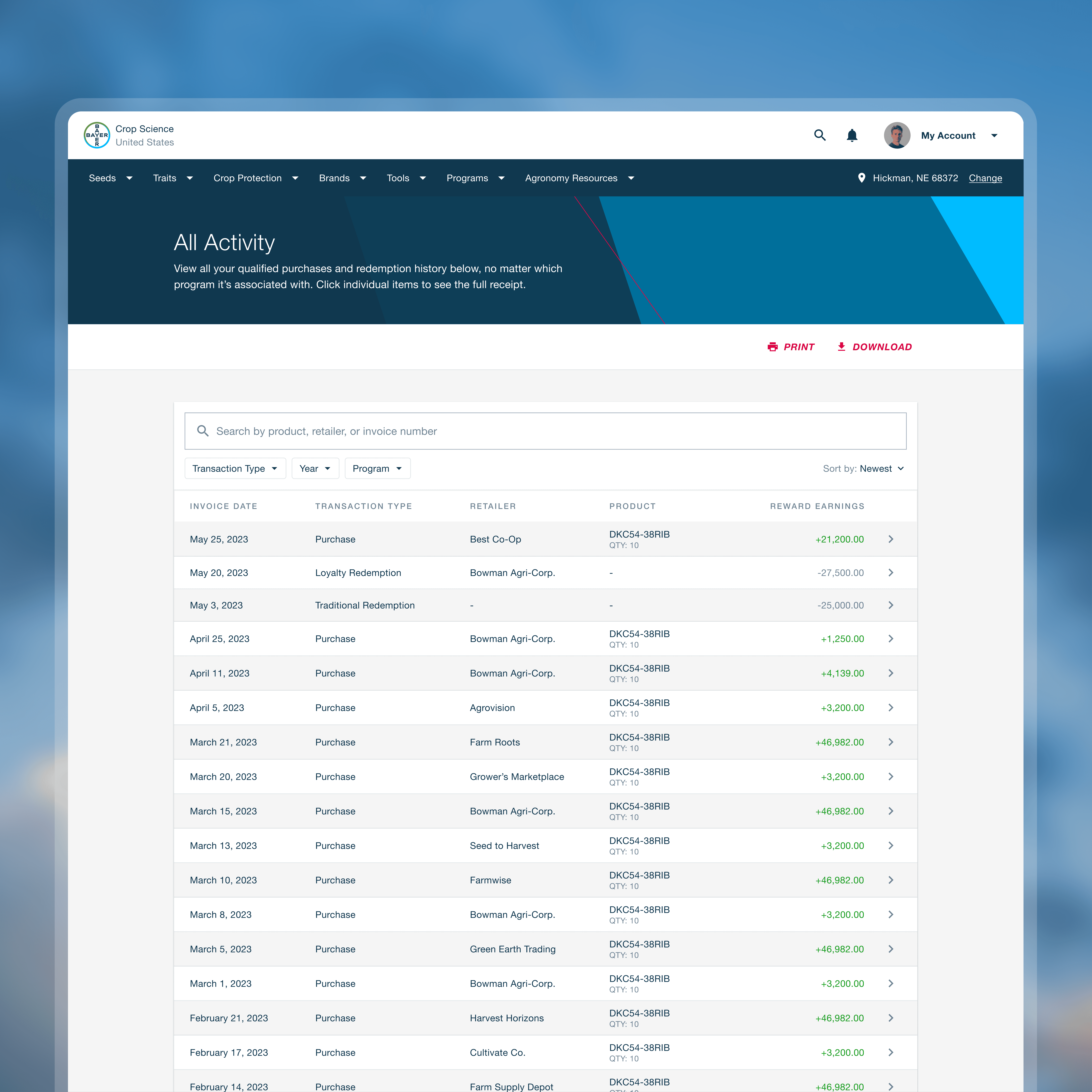
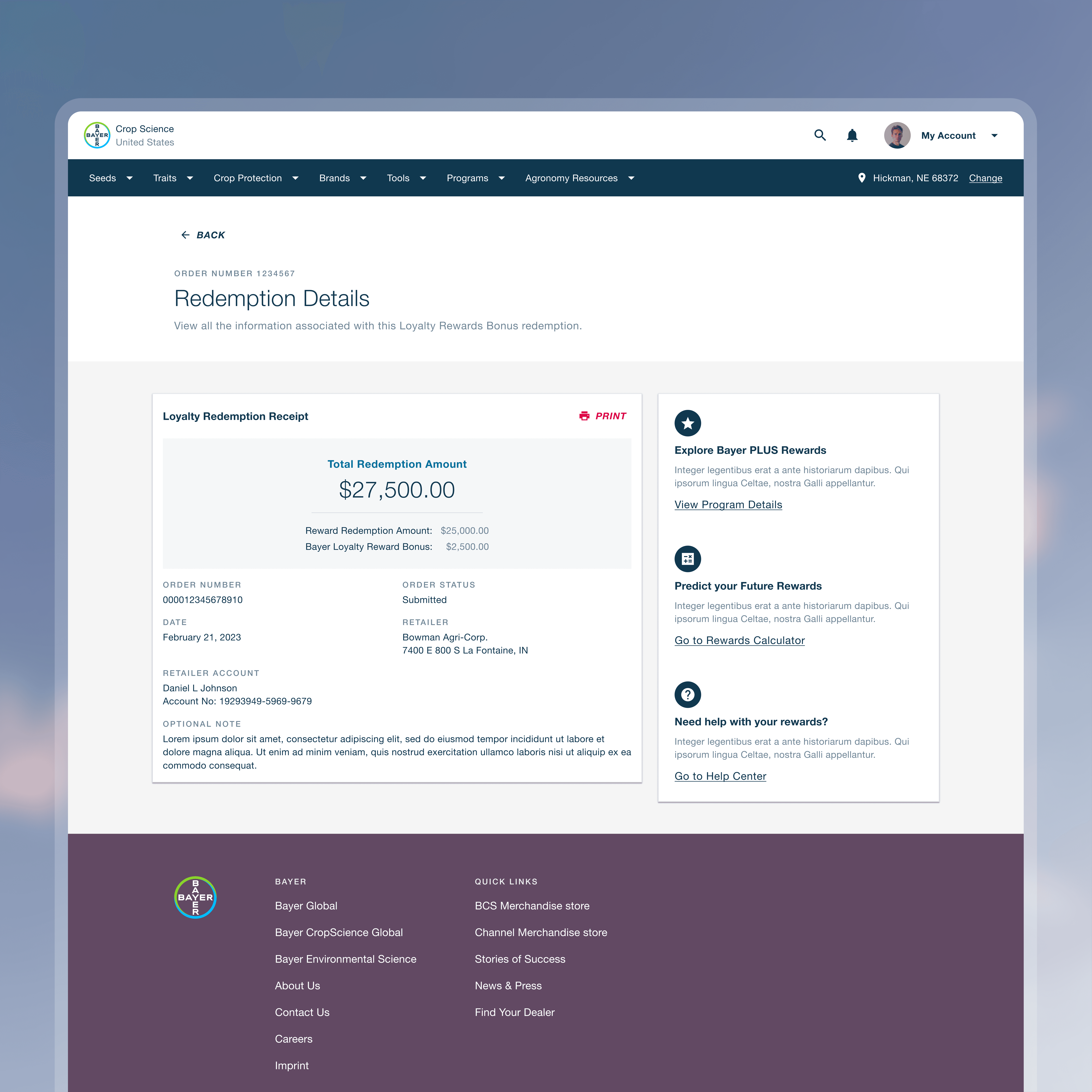
Bayer PLUS ran multiple reward streams across different product categories. Users couldn't tell where they'd earned the most, what had already been redeemed, or how any given transaction had contributed. The program's value was fragmented across surfaces that didn't talk to each other.

Money left on the table
Bayer issued additional money back to users separately from the core rewards program. Users frequently missed these refunds or struggled to claim them, leaving earned value on the table.
Tying it Together
Data Backed Dashboard
The dashboard translated the research into a single solution. Total rewards and expiration date anchor the view. A breakdown shows where rewards came from. Additional unclaimed money is surfaced alongside in a easy to access widget.
This MVP shipped as the foundation for a deeper program redesign that continued after I transitioned off the project.
Handling Acquisitions
Regional Brand Transition
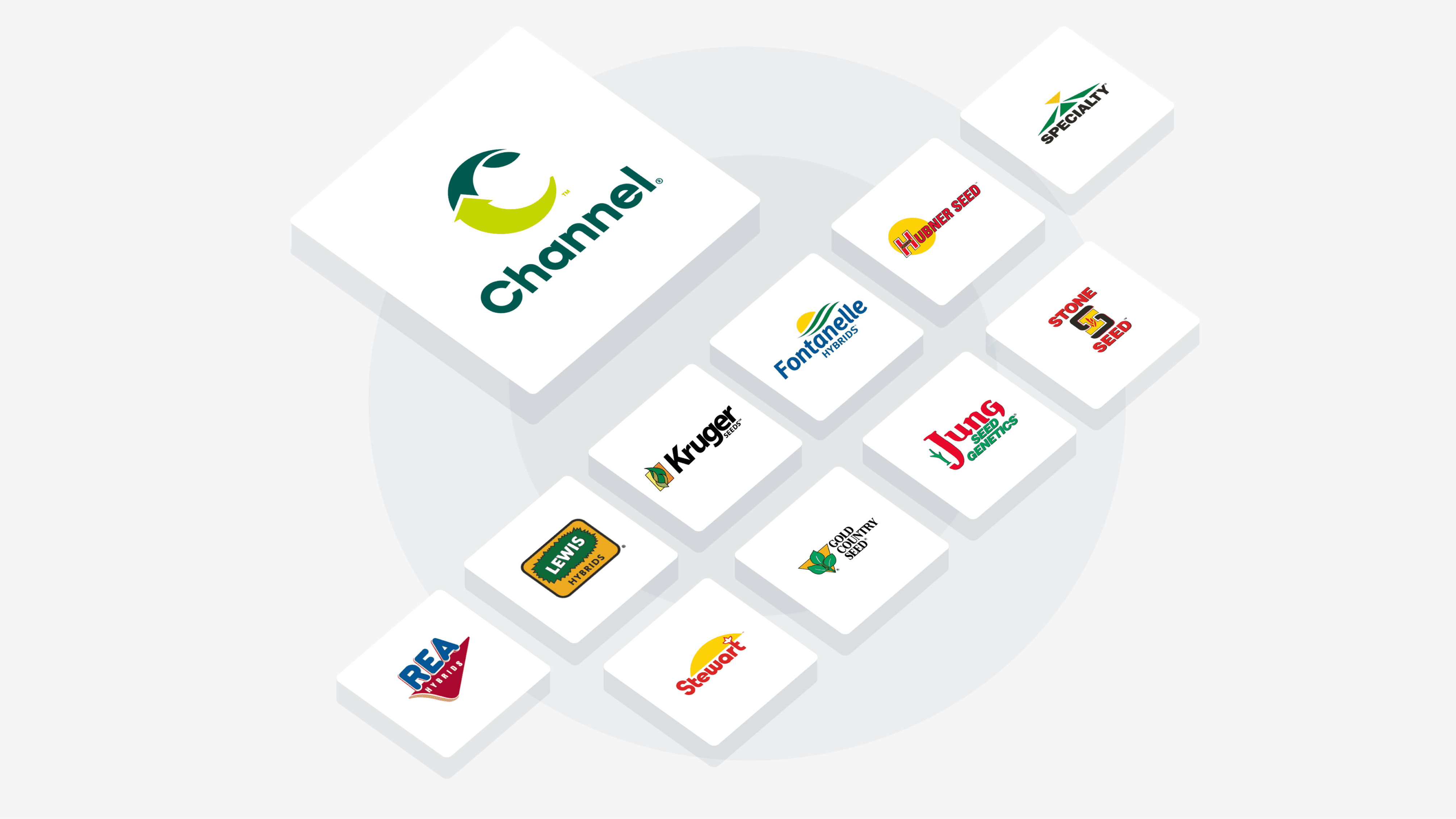
Bayer's acquisition of multiple regional brands changed their product catalog overnight. Farmers who had bought the same products from regional brands for years suddenly couldn't find them under the names they knew. We needed to pave a clear pathway to help these farmers find their regional brand products at Bayer.
Phase 1
A Bridge to the New Catalog
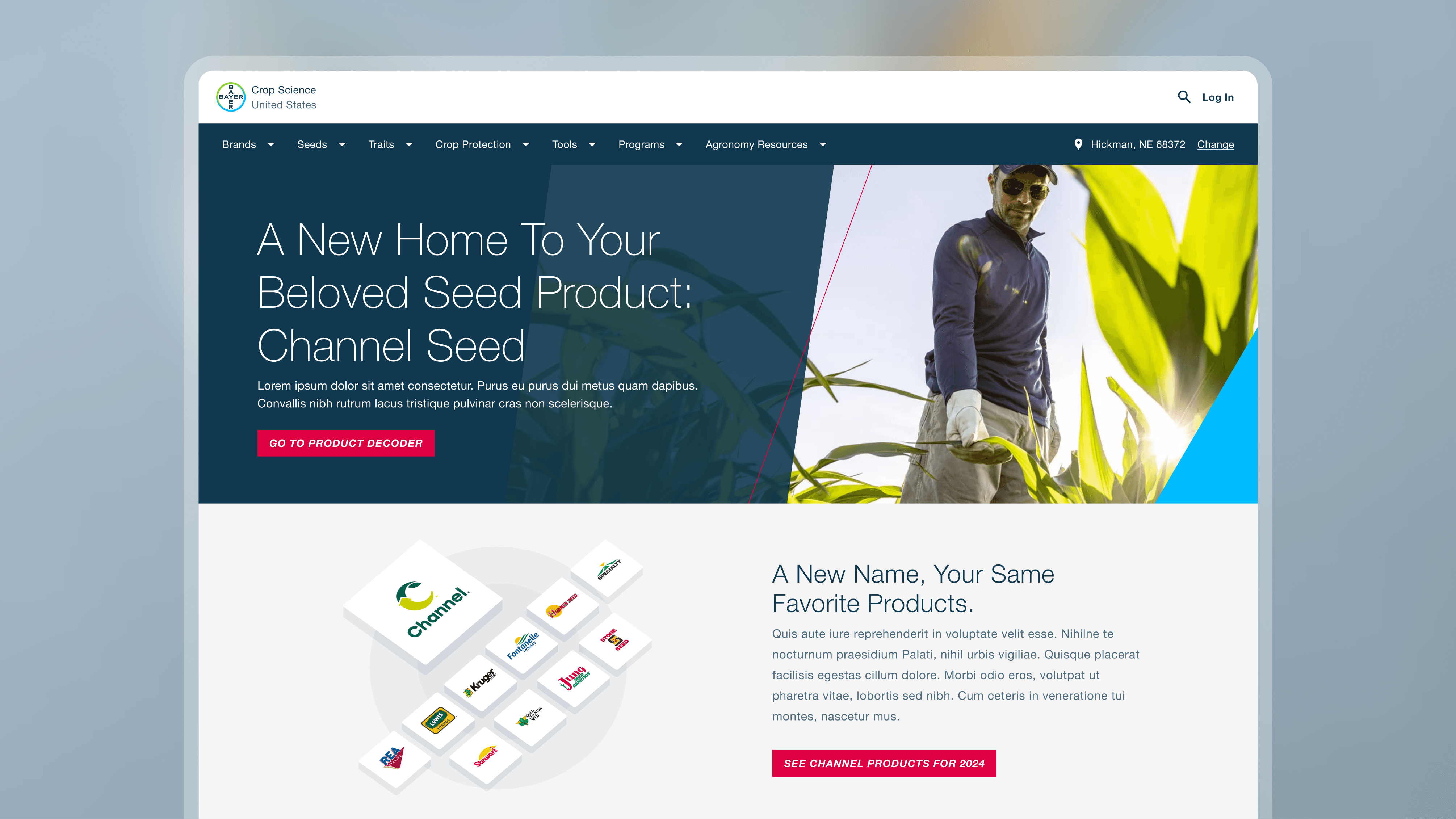
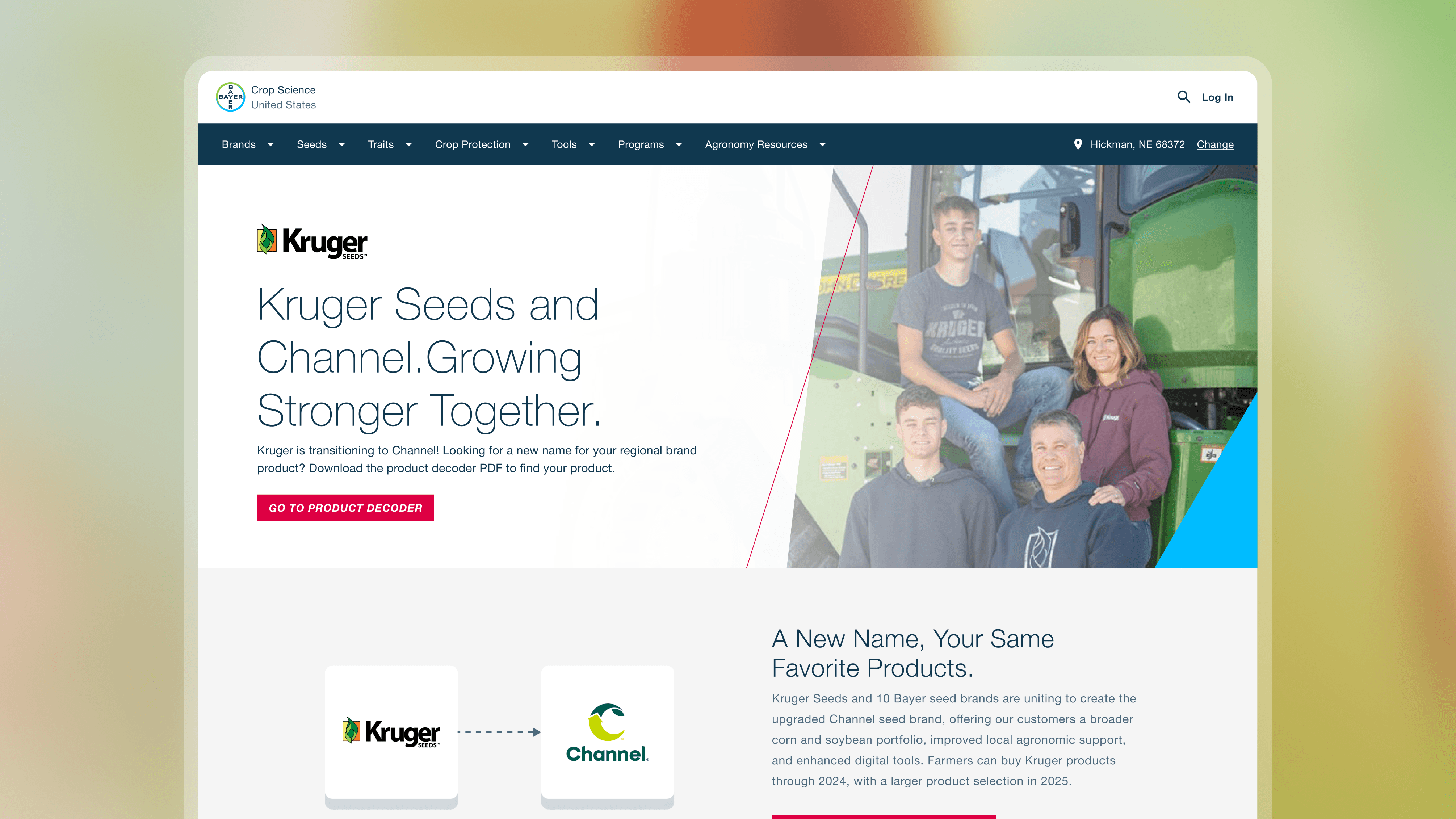
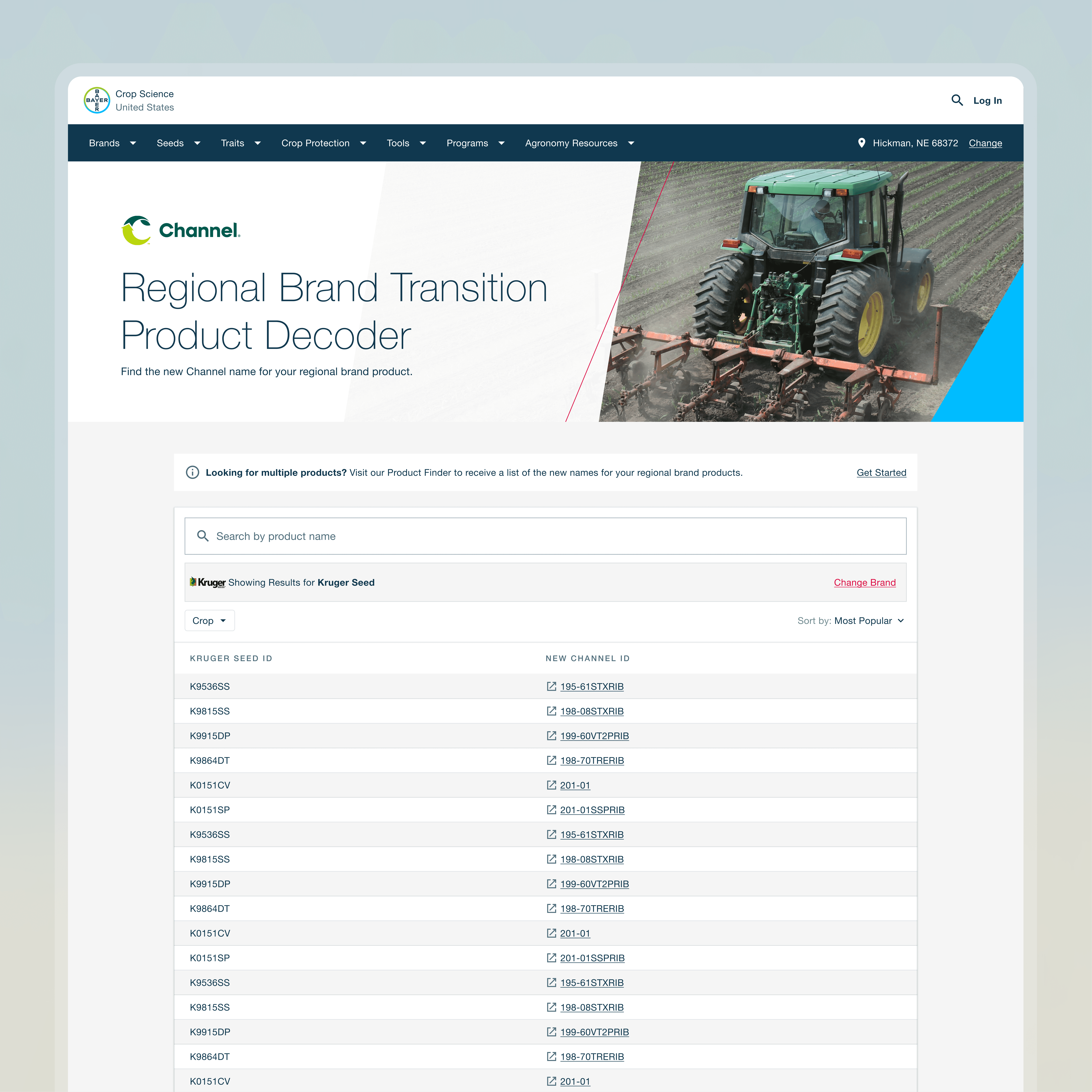
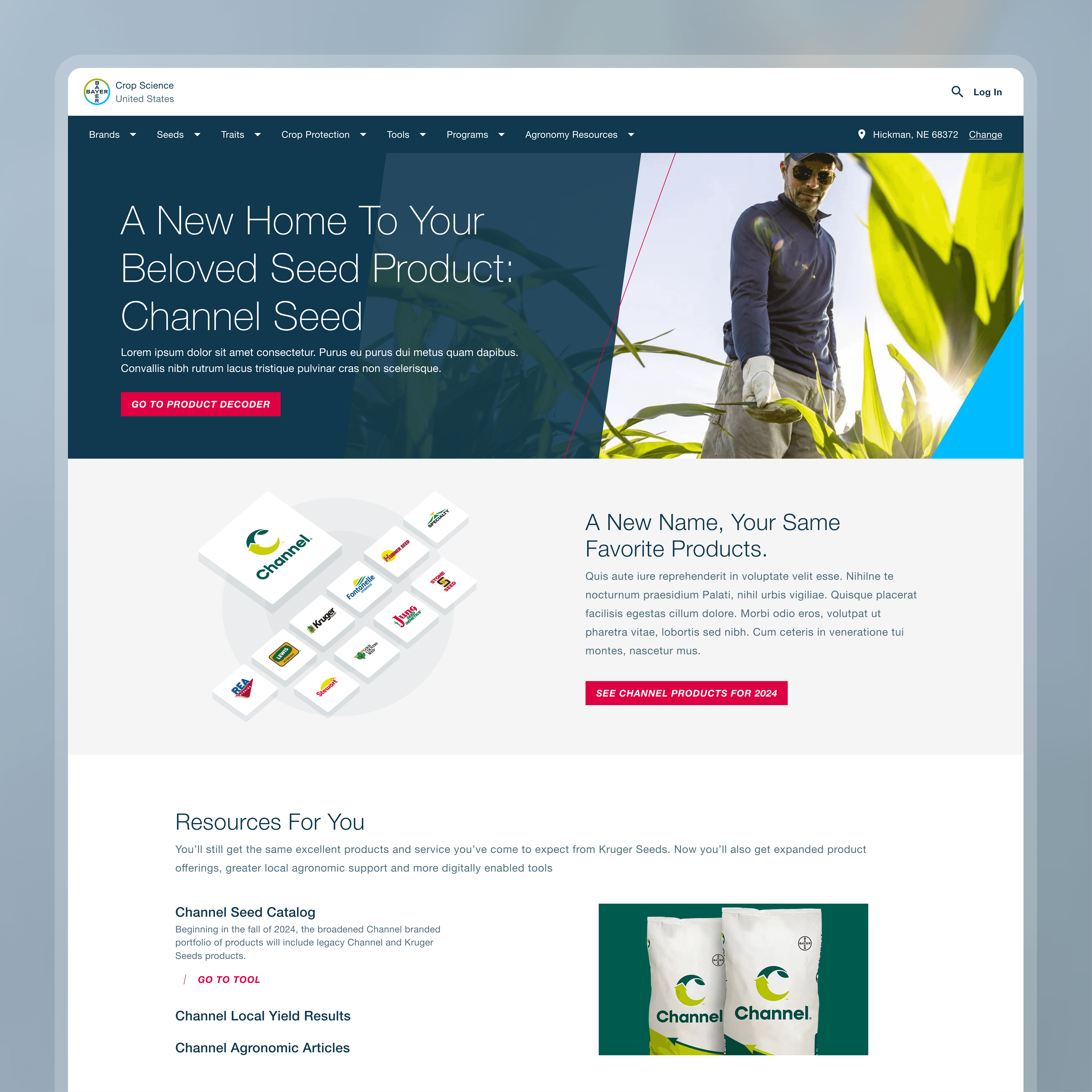
Users who tried to access a legacy regional brand site were redirected to a transition landing page that explained what had changed and pointed them to the Product Decoder.
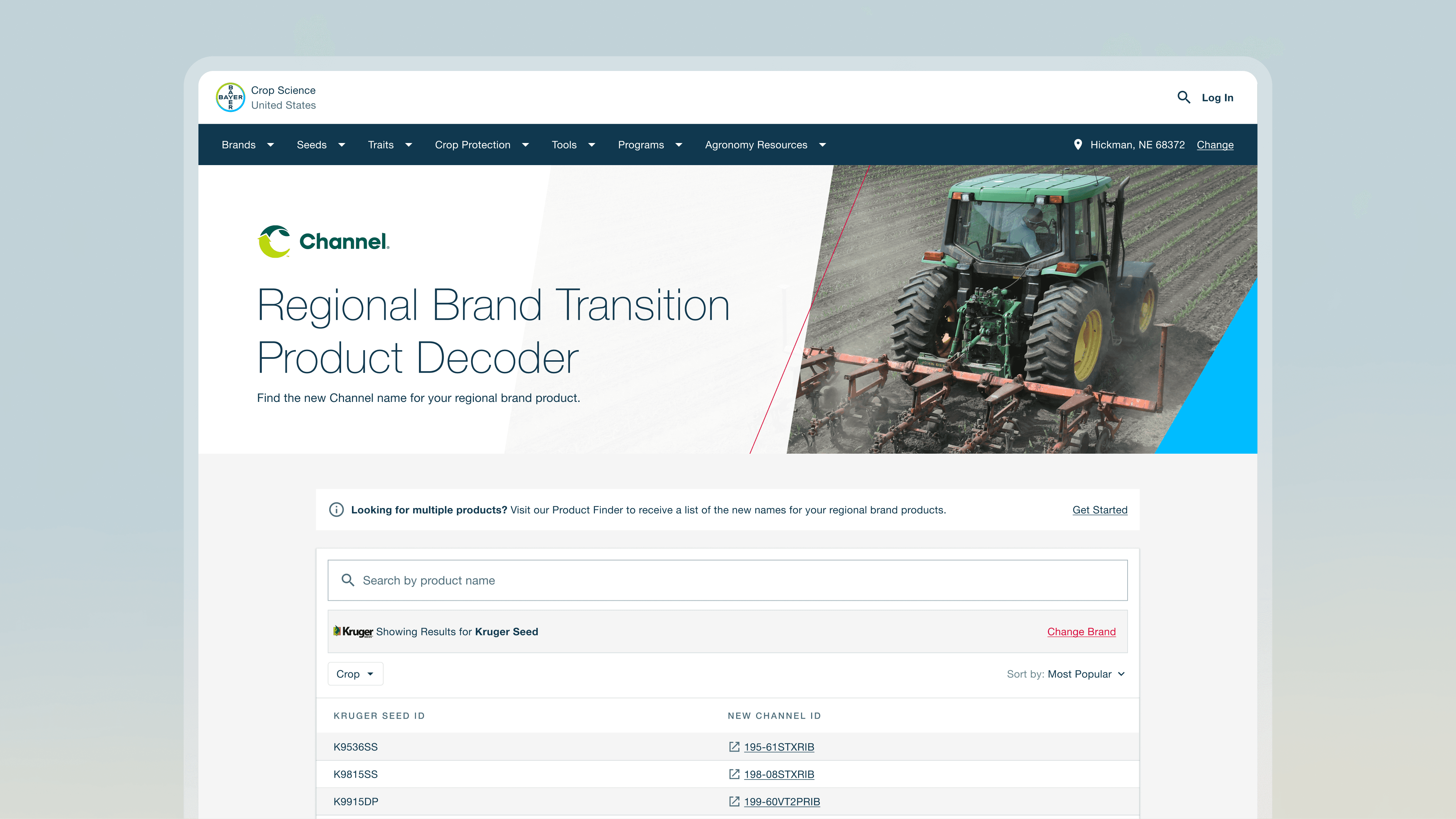
The Decoder let farmers input a legacy product name or code and surfaced the equivalent Bayer product. It was a functional bridge, but it still required users to change their behavior.

Phase 2
Meeting Users Where They Already Were
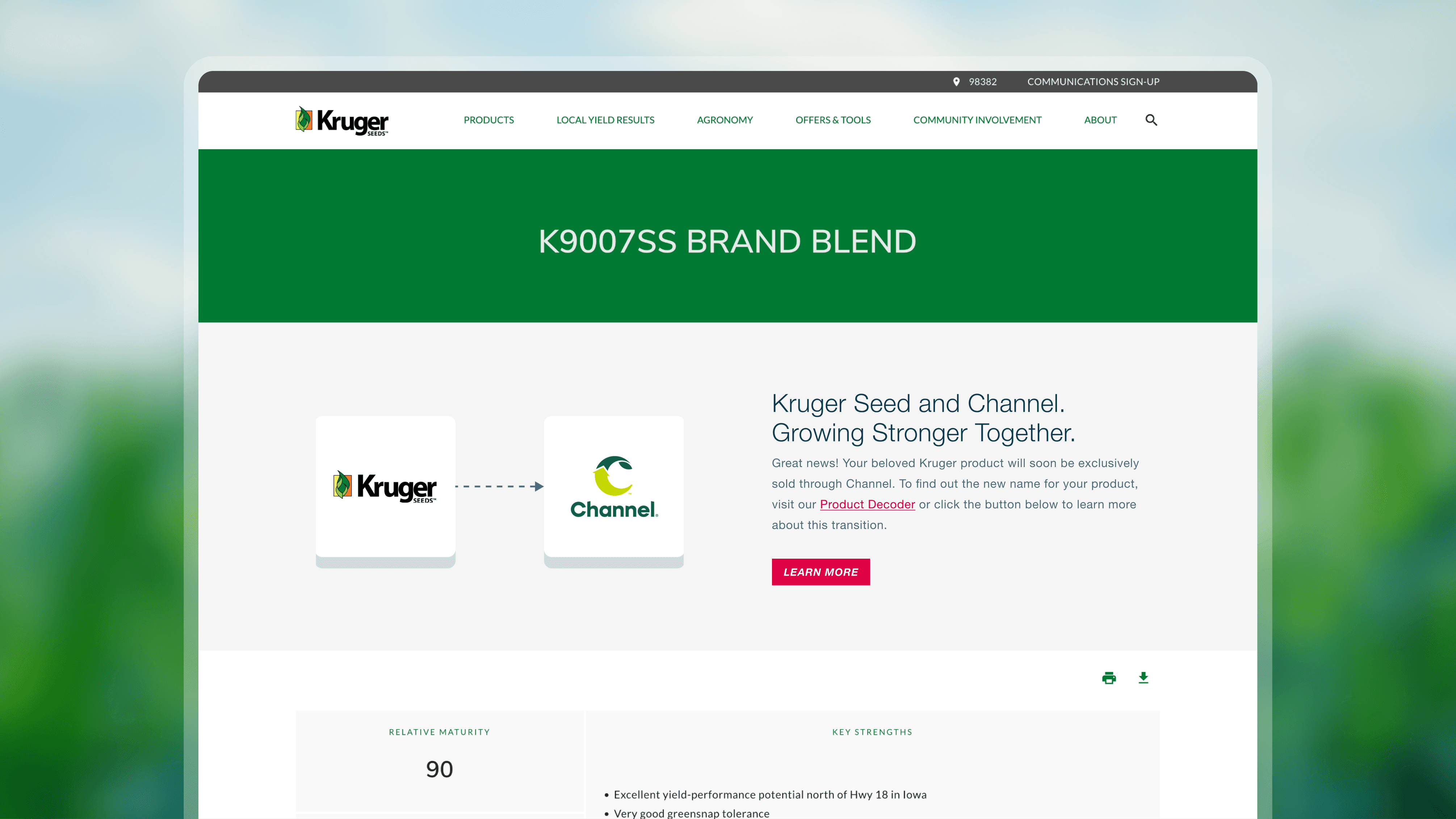
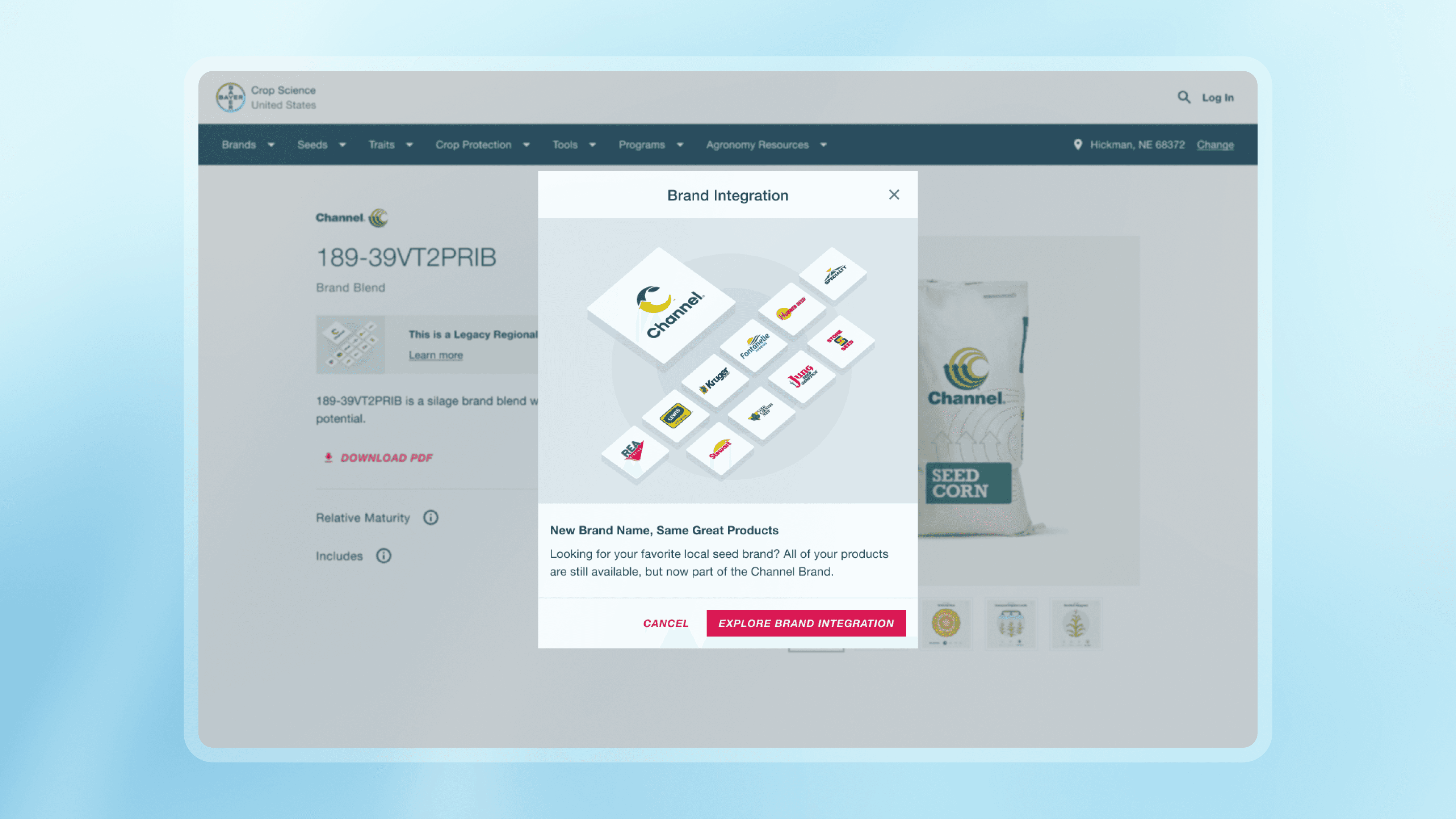
Phase 2 pushed the solution closer to the user. Searches by legacy product name now resolved directly to the equivalent Bayer product details pages, with a callout card explaining the transition in context.
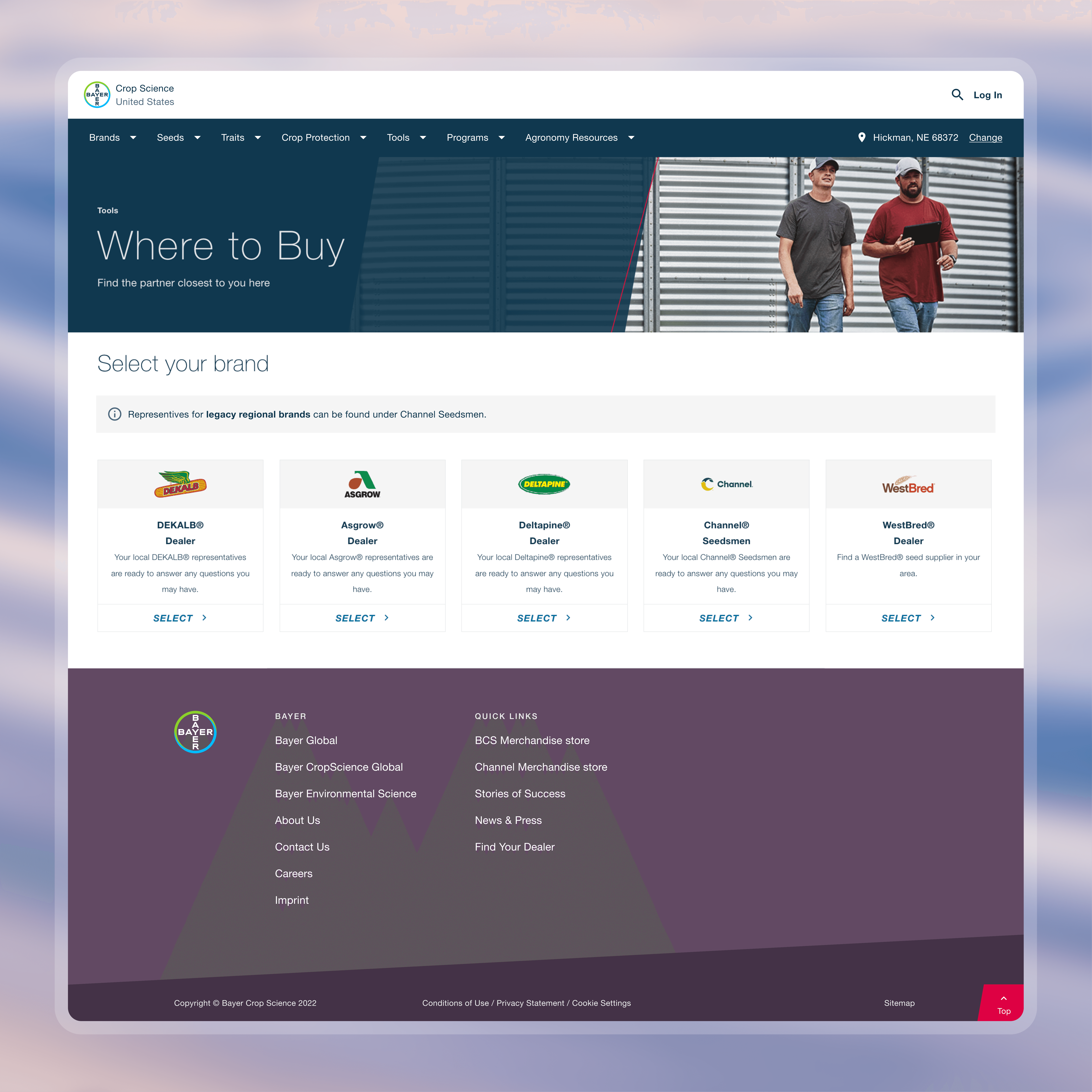
Site-wide tools were updated to accept legacy product codes alongside Bayer codes, so farmers could keep using the identifiers they already knew. The transition moved from something the user had to navigate to something the system handled for them.
Reflections
Three Lessons from the Work
Bayer reshaped how I think about designing for non-technical users, when to push for the harder build, and how far an MVP should reach.
Designing for non-technical users
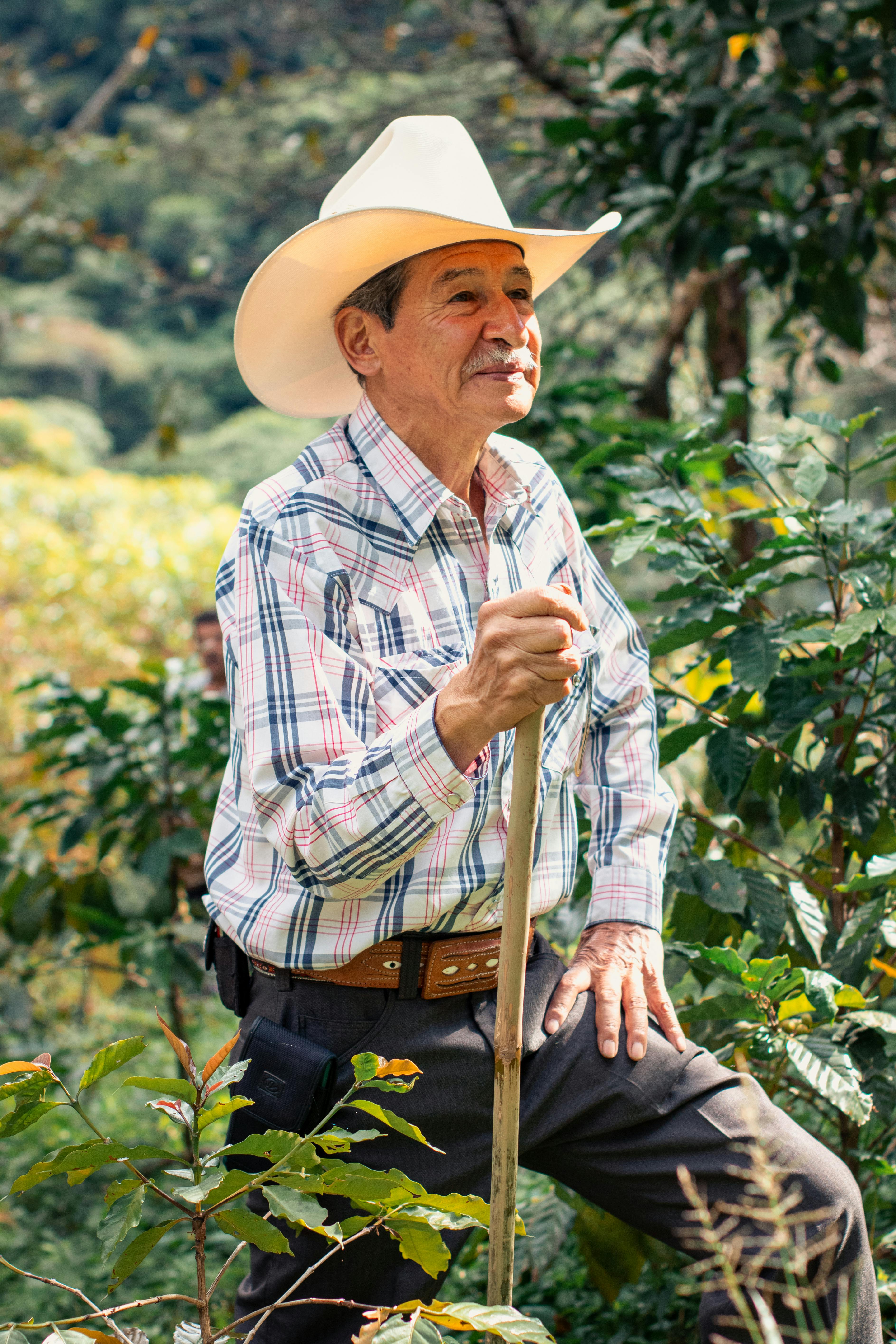
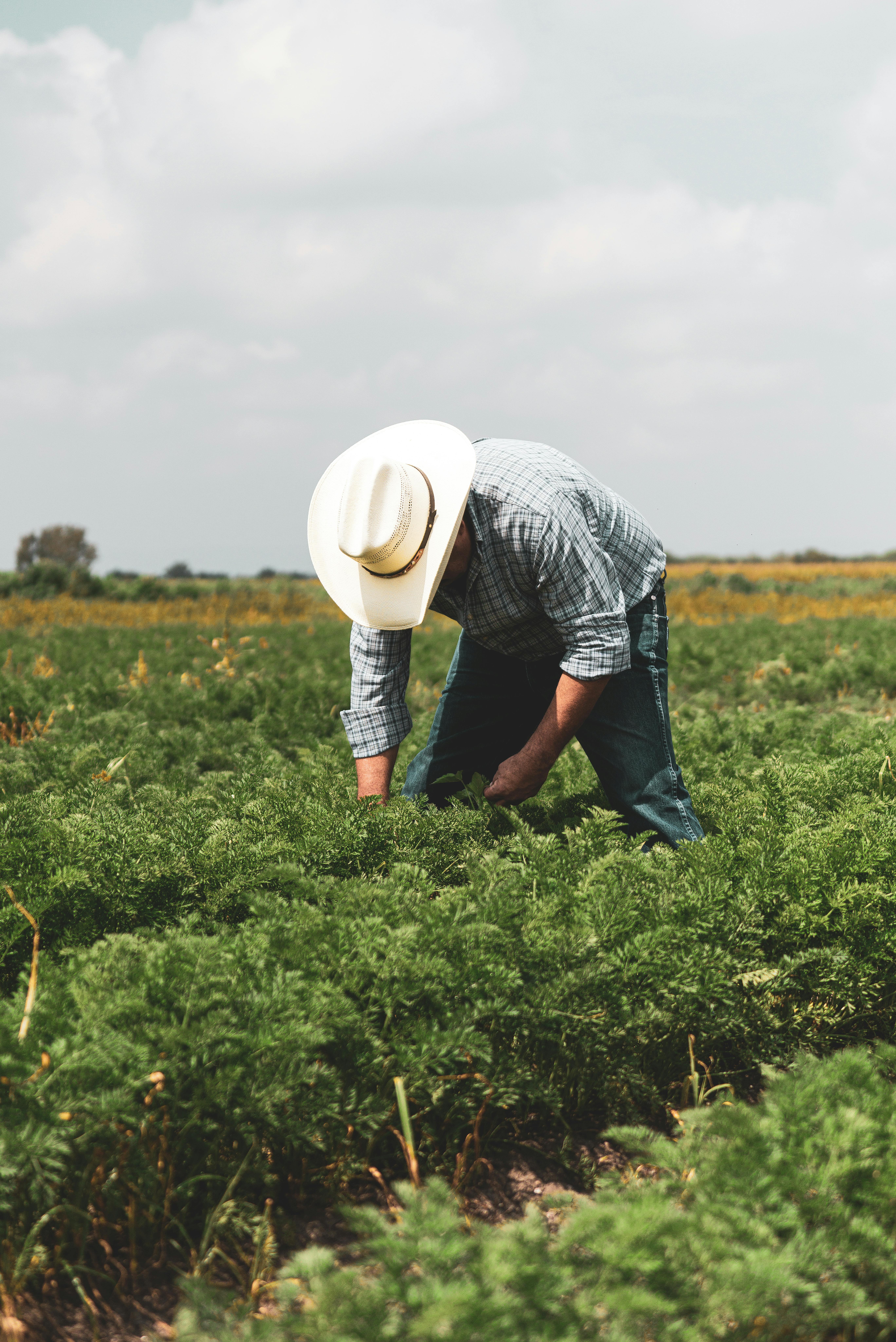
Designing for farmers taught me to weight clarity as heavily as any other requirement. When users aren't digitally fluent, unclear interfaces don't just create a worse experience. They route users to support phone lines and stall the business. The work has to be laser focused on what the user is trying to accomplish and remove anything that doesn't help them get there.

Building for the long term
On Local Yield Results, I advocated for users to edit their inputs directly on the results page instead of restarting the wizard. It required more build effort, but the alternative pushed repetitive work onto the user every time they wanted to compare products or adjust a radius. The cost of a harder build is almost always worth it when the alternative is friction compounding on the user.
MVP as a foundation
The Bayer PLUS Rewards MVP solved the three most urgent problems from the research. If I were scoping it today, I'd build it to do more than solve. I'd fold in a calculator into the dashboard so users could see how future purchases shaped their rewards, and surface reward potential on product detail pages to bring new users into the program.
Additional Work
Kea Legard
©2026

Bayer Crop Science
Designing digital tools for farmers across the US and Canada.
Design Lead
UX Strategy
Enterprise Design System
Overview
Designing for farmers at scale
Senior Designer · 1 year · Team of 3 Designers
Bayer Crop Science is the agricultural division of Bayer, serving over 2 million farmers across North America and generating $25B in annual revenue. I led design across 15+ product tools, the Bayer PLUS Rewards dashboard overhaul, and the digital migration following Bayer's acquisition of multiple regional brands.
In this project, the user dictated the approach. Farmers had limited patience for digital friction and real consequences riding on every decision they made. The work had to be clear, direct, and built around how they already worked.
The Challenge
What the Work Had to Solve
Each problem shaped a different part of the work. The sections that follow show how the design team responded to them, and what got built as a result.
Designing against digital friction
Farmers typically are not a digital native audience. Many defaulted to phone support when tools introduced even minor friction. Every interaction had to be designed with that threshold in mind.
A rewards program losing users
Bayer PLUS Rewards was underperforming against its retention goal. Farmers were abandoning the online experience and losing earned rewards to policies they didn't understand.
Bridging a brand transition
Bayer's acquisition of multiple regional brands changed the product catalog overnight. Farmers had to find familiar products under unfamiliar names. The design work had to absorb that disruption so the user didn't have to.
Local Yield Results
Built for How Farmers Decide
Seed purchasing is a high-stakes decision for a farmer. The wrong choice affects an entire season. Bayer Crop Science's team wanted to help guide farmers to help them make the best seed choice for their local region - leading to the creation of the Local Yield Results tool.
The tool pairs a short wizard flow with a tailored results page that surfaces local trial data, performance benchmarks, and yield environment comparisons specific to the user's region.
For farmers with Climate FieldView connected, the results expand to include regional performance data pulled from their account. For farmers without it, the tool still delivers local trials and environment comparisons relevant to their area.
The Broader Toolkit
Designed Around the
Farmer's Workflow
Local Yield Results was one of 15+ tools built for Bayer's digital ecosystem. Each one was anchored to a specific decision a farmer was making: what to plant, when to act, which products to buy, and what they'd earned. The result was a connected digital toolkit for farmers.
Gaining Insight
Bayer PLUS Rewards
Bayer PLUS Rewards was losing the users it was built to retain. I led research into why, then designed the MVP dashboard that addressed what we found.
I analyzed 300+ survey responses from active rewards users. Three patterns drove the majority of the friction.
Rewards that disappeared
Accumulated rewards reset on an obscure mid-year date. Farmers consistently lost earned value to a policy they hadn't registered. High-value customers were being burned by their own loyalty program.
Fragmented rewards programs
Bayer PLUS ran multiple reward streams across different product categories. Users couldn't tell where they'd earned the most, what had already been redeemed, or how any given transaction had contributed. The program's value was fragmented across surfaces that didn't talk to each other.
Money left on the table
Bayer issued additional money back to users separately from the core rewards program. Users frequently missed these refunds or struggled to claim them, leaving earned value on the table.
Tying it Together
Data Backed Dashboard
The dashboard translated the research into a single solution. Total rewards and expiration date anchor the view. A breakdown shows where rewards came from. Additional unclaimed money is surfaced alongside in a easy to access widget.
This MVP shipped as the foundation for a deeper program redesign that continued after I transitioned off the project.
Handling Acquisitions
Regional Brand Transition
Bayer's acquisition of multiple regional brands changed their product catalog overnight. Farmers who had bought the same products from regional brands for years suddenly couldn't find them under the names they knew. We needed to pave a clear pathway to help these farmers find their regional brand products at Bayer.
Phase 1
A Bridge to the New Catalog
Users who tried to access a legacy regional brand site were redirected to a transition landing page that explained what had changed and pointed them to the Product Decoder.
The Decoder let farmers input a legacy product name or code and surfaced the equivalent Bayer product. It was a functional bridge, but it still required users to change their behavior.
Phase 2
Meeting Users Where They Already Were
Phase 2 pushed the solution closer to the user. Searches by legacy product name now resolved directly to the equivalent Bayer product details pages, with a callout card explaining the transition in context.
Site-wide tools were updated to accept legacy product codes alongside Bayer codes, so farmers could keep using the identifiers they already knew. The transition moved from something the user had to navigate to something the system handled for them.
Reflections
Three Lessons from the Work
Bayer reshaped how I think about designing for non-technical users, when to push for the harder build, and how far an MVP should reach.
Designing for non-technical users
Designing for farmers taught me to weight clarity as heavily as any other requirement. When users aren't digitally fluent, unclear interfaces don't just create a worse experience. They route users to support phone lines and stall the business. The work has to be laser focused on what the user is trying to accomplish and remove anything that doesn't help them get there.
Building for the long term
On Local Yield Results, I advocated for users to edit their inputs directly on the results page instead of restarting the wizard. It required more build effort, but the alternative pushed repetitive work onto the user every time they wanted to compare products or adjust a radius. The cost of a harder build is almost always worth it when the alternative is friction compounding on the user.
MVP as a foundation
The Bayer PLUS Rewards MVP solved the three most urgent problems from the research. If I were scoping it today, I'd build it to do more than solve. I'd fold in a calculator into the dashboard so users could see how future purchases shaped their rewards, and surface reward potential on product detail pages to bring new users into the program.
Additional Work
©2026
Bayer Crop Science
Designing digital tools for farmers across the US and Canada.
Design Lead
UX Strategy
Enterprise Design System
Overview
Designing for farmers at scale
Senior Designer · 1 year · Team of 3 Designers
Bayer Crop Science is the agricultural division of Bayer, serving over 2 million farmers across North America and generating $25B in annual revenue. I led design across 15+ product tools, the Bayer PLUS Rewards dashboard overhaul, and the digital migration following Bayer's acquisition of multiple regional brands.
In this project, the user dictated the approach. Farmers had limited patience for digital friction and real consequences riding on every decision they made. The work had to be clear, direct, and built around how they already worked.
The Challenge
What the Work Had to Solve
Each problem shaped a different part of the work. The sections that follow show how the design team responded to them, and what got built as a result.
Designing against digital friction
Farmers typically are not a digital native audience. Many defaulted to phone support when tools introduced even minor friction. Every interaction had to be designed with that threshold in mind.
A rewards program losing users
Bayer PLUS Rewards was underperforming against its retention goal. Farmers were abandoning the online experience and losing earned rewards to policies they didn't understand.
Bridging a brand transition
Bayer's acquisition of multiple regional brands changed the product catalog overnight. Farmers had to find familiar products under unfamiliar names. The design work had to absorb that disruption so the user didn't have to.
Local Yield Results
Built for How Farmers Decide
Seed purchasing is a high-stakes decision for a farmer. The wrong choice affects an entire season. Bayer Crop Science's team wanted to help guide farmers to help them make the best seed choice for their local region - leading to the creation of the Local Yield Results tool.
The tool pairs a short wizard flow with a tailored results page that surfaces local trial data, performance benchmarks, and yield environment comparisons specific to the user's region.
For farmers with Climate FieldView connected, the results expand to include regional performance data pulled from their account. For farmers without it, the tool still delivers local trials and environment comparisons relevant to their area.
The Broader Toolkit
Designed Around the
Farmer's Workflow
Local Yield Results was one of 15+ tools built for Bayer's digital ecosystem. Each one was anchored to a specific decision a farmer was making: what to plant, when to act, which products to buy, and what they'd earned. The result was a connected digital toolkit for farmers.
Gaining Insight
Bayer PLUS Rewards
Bayer PLUS Rewards was losing the users it was built to retain. I led research into why, then designed the MVP dashboard that addressed what we found.
I analyzed 300+ survey responses from active rewards users. Three patterns drove the majority of the friction.
Rewards that disappeared
Accumulated rewards reset on an obscure mid-year date. Farmers consistently lost earned value to a policy they hadn't registered. High-value customers were being burned by their own loyalty program.
Fragmented rewards programs
Bayer PLUS ran multiple reward streams across different product categories. Users couldn't tell where they'd earned the most, what had already been redeemed, or how any given transaction had contributed. The program's value was fragmented across surfaces that didn't talk to each other.
Money left on the table
Bayer issued additional money back to users separately from the core rewards program. Users frequently missed these refunds or struggled to claim them, leaving earned value on the table.
Tying it Together
Data Backed Dashboard
The dashboard translated the research into a single solution. Total rewards and expiration date anchor the view. A breakdown shows where rewards came from. Additional unclaimed money is surfaced alongside in a easy to access widget.
This MVP shipped as the foundation for a deeper program redesign that continued after I transitioned off the project.
Handling Acquisitions
Regional Brand Transition
Bayer's acquisition of multiple regional brands changed their product catalog overnight. Farmers who had bought the same products from regional brands for years suddenly couldn't find them under the names they knew. We needed to pave a clear pathway to help these farmers find their regional brand products at Bayer.
Phase 1
A Bridge to the New Catalog
Users who tried to access a legacy regional brand site were redirected to a transition landing page that explained what had changed and pointed them to the Product Decoder.
The Decoder let farmers input a legacy product name or code and surfaced the equivalent Bayer product. It was a functional bridge, but it still required users to change their behavior.
Phase 2
Meeting Users Where They Already Were
Phase 2 pushed the solution closer to the user. Searches by legacy product name now resolved directly to the equivalent Bayer product details pages, with a callout card explaining the transition in context.
Site-wide tools were updated to accept legacy product codes alongside Bayer codes, so farmers could keep using the identifiers they already knew. The transition moved from something the user had to navigate to something the system handled for them.
Reflections
Three Lessons from the Work
Bayer reshaped how I think about designing for non-technical users, when to push for the harder build, and how far an MVP should reach.
Designing for non-technical users
Designing for farmers taught me to weight clarity as heavily as any other requirement. When users aren't digitally fluent, unclear interfaces don't just create a worse experience. They route users to support phone lines and stall the business. The work has to be laser focused on what the user is trying to accomplish and remove anything that doesn't help them get there.
Building for the long term
On Local Yield Results, I advocated for users to edit their inputs directly on the results page instead of restarting the wizard. It required more build effort, but the alternative pushed repetitive work onto the user every time they wanted to compare products or adjust a radius. The cost of a harder build is almost always worth it when the alternative is friction compounding on the user.
MVP as a foundation
The Bayer PLUS Rewards MVP solved the three most urgent problems from the research. If I were scoping it today, I'd build it to do more than solve. I'd fold in a calculator into the dashboard so users could see how future purchases shaped their rewards, and surface reward potential on product detail pages to bring new users into the program.
Additional Work
Kea Legard
©2026